[ HABITAT PROTECTION ]
Angel Shark
Conservation Study in Türkiye (2023–2026)
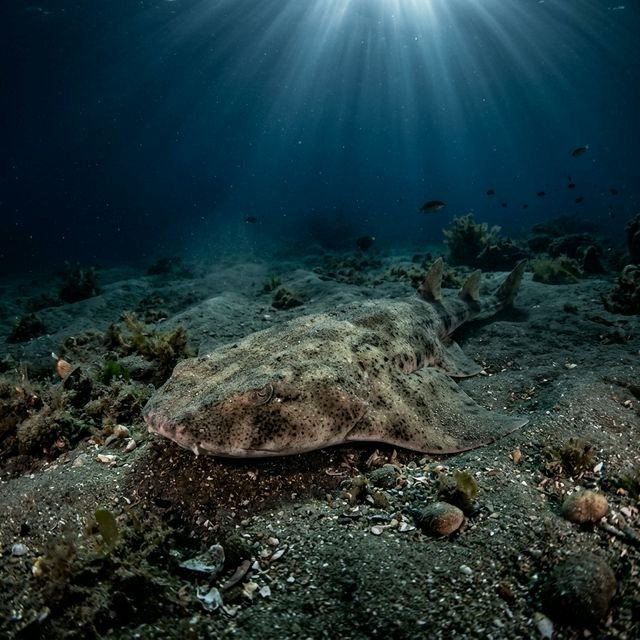
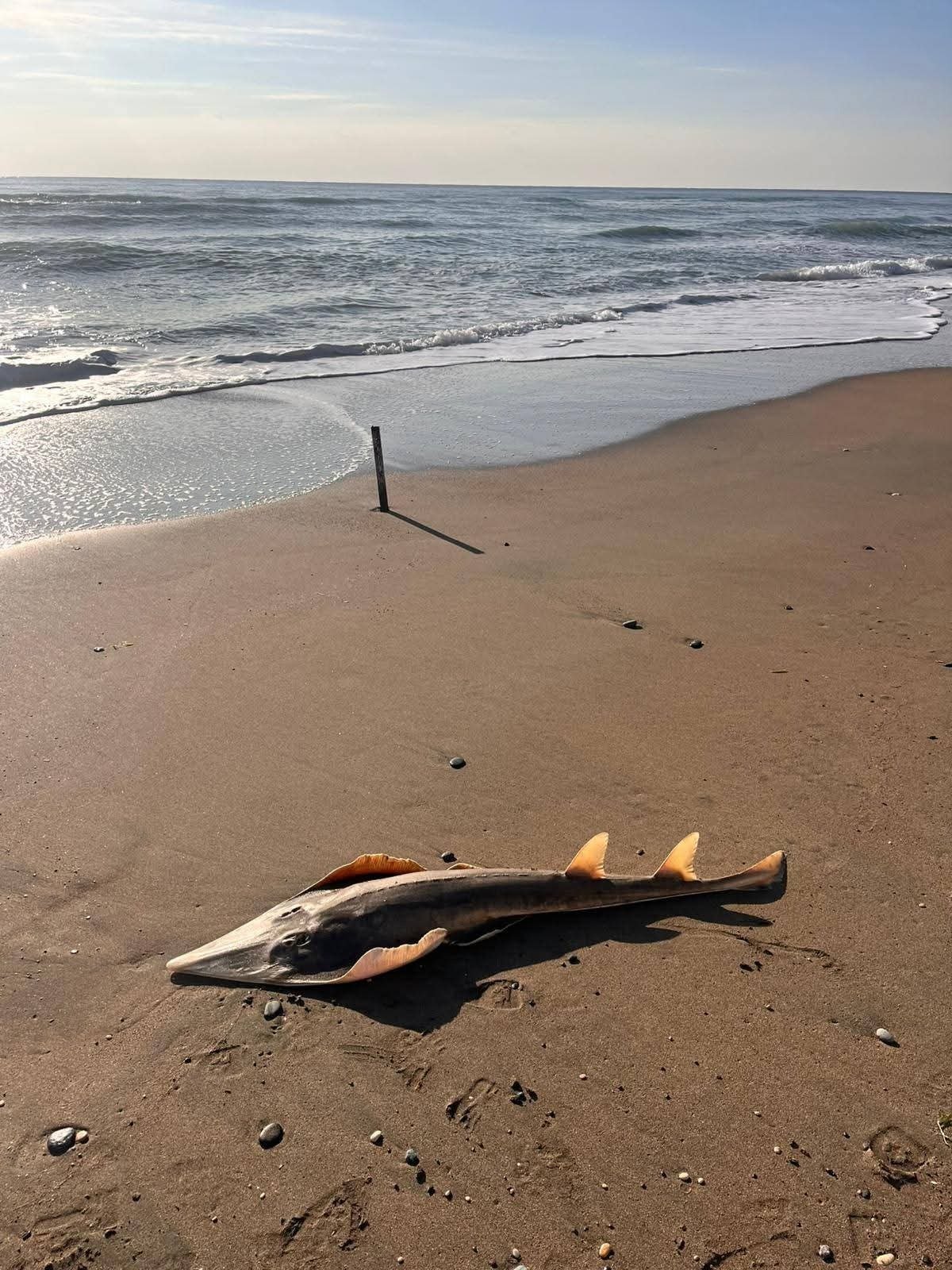
Mersea Marine Consulting, in collaboration with the Shark Trust and funded by the Shark Conservation Fund, in line with the Mediterranean Angel Sharks Regional Action Plan, contributed to the implementation of the Subregional Action Plan for Angel Sharks in Türkiye (2023–2026), supporting efforts to conserve one of the most critically endangered shark groups in the Mediterranean.
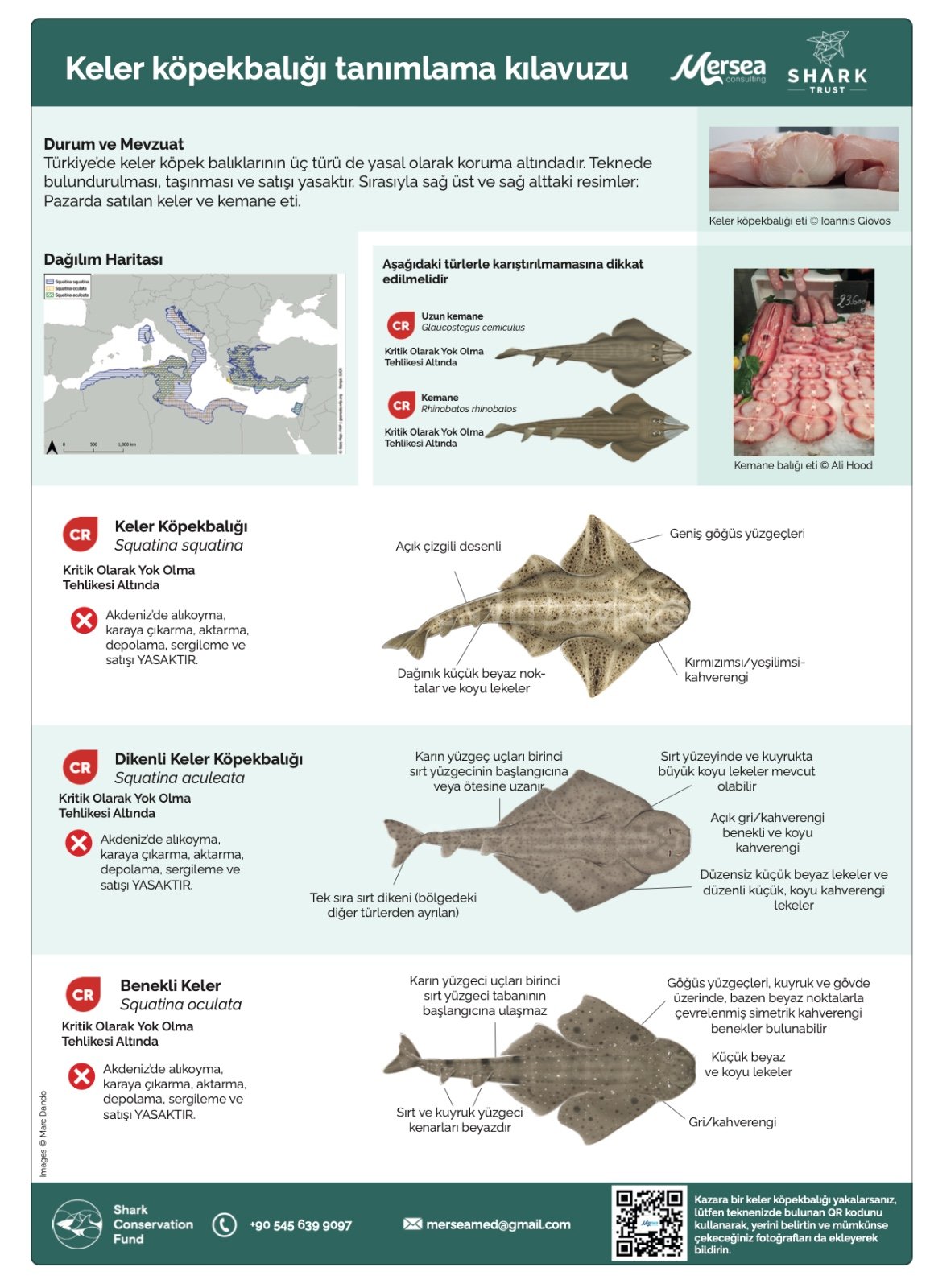
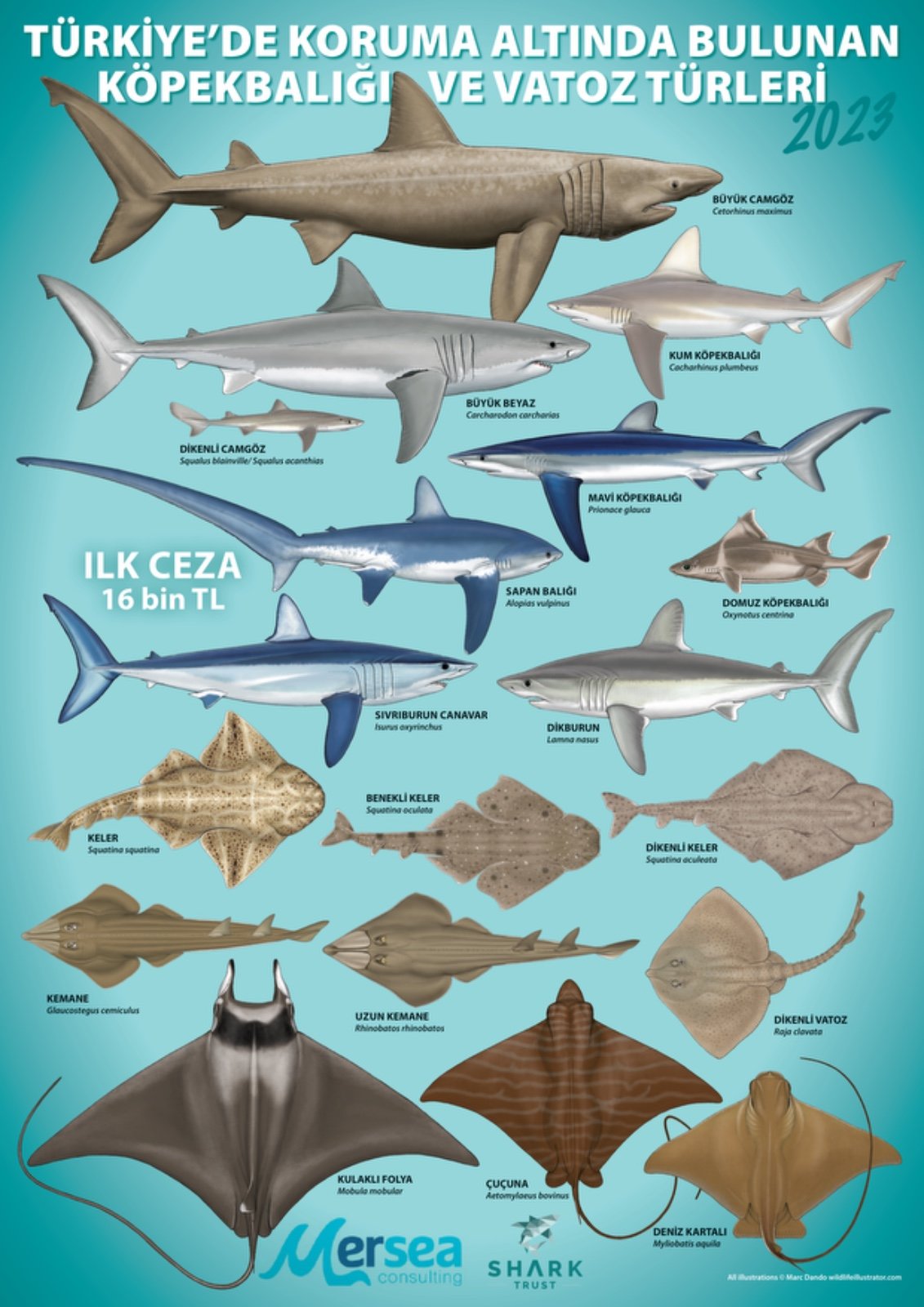
The project focused on bridging scientific research with on-the-ground engagement. Key activities included outreach and education with small-scale fishers to raise awareness of the Critically Endangered status of the three species of Mediterranean angel shark, alongside training in safe handling and release protocols to reduce post-capture mortality. Broader awareness efforts also extended to other user groups, including spearfishers, recreational and commercial divers, and recreational fishers. In parallel, local ecological knowledge was collected through fisher surveys, interviews, and field observations, helping to build a clearer picture of angel shark distribution across Turkish waters in a region where information has historically been limited.
Project outputs included a better understanding of angel shark interactions with recreational marine user groups, and the development of spatial maps to support conservation planning and population recovery. Data generated through this work also contributed to the designation of an Important Shark and Ray Area (ISRA) in the southeastern Aegean Sea under the International Union for Conservation of Nature framework. In addition, three potential Critical Angel Shark Areas (CASAs) were identified, and their environmental and ecological characteristics were examined.
The project identified two potential reproductive areas for Squatina squatina and Squatina oculata, respectively, as well as a key feeding area for Squatina oculata, findings that represent considerable advances for both scientific understanding and conservation planning for these species. These insights provide a foundation for targeted protection measures and future management strategies aimed at supporting the recovery of angel shark populations in Türkiye.